
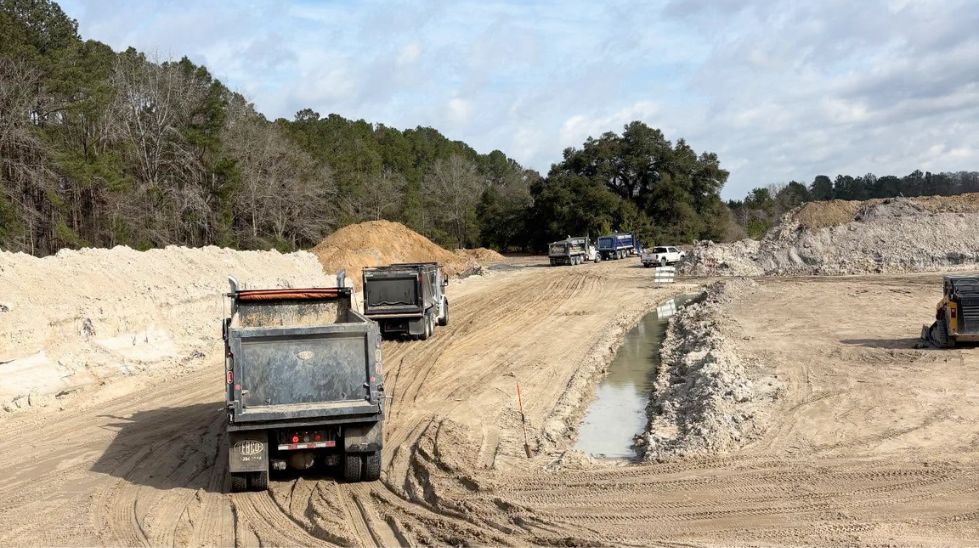
On most jobs, people notice the equipment, the concrete, and the structure coming out of the ground. The steady flow of trucks hauling dirt and debris in the background feels like a minor detail. In reality, whether for a home or business, hauling decisions quietly shape how smoothly the entire project runs.
In this blog, Johnston Construction in Charleston, SC, will explore what’s really happening when material leaves your site and why planning dirt and debris hauling is just as important as what’s drawn on the plans.
Hauling is a Production System
It’s easy to treat hauling as a simple task. On an active site, it functions more like a production line with real constraints. How quickly trucks can be loaded, how long each round trip takes, and how material is staged all impact whether clearing, excavation, grading, or demolition stay on schedule.
When hauling is underplanned, you end up with iron sitting still: excavators waiting for trucks, trucks waiting for a loader, or piles of material stacked in the wrong place. When it’s done well, the trucks, equipment, and operators move in a steady rhythm.
Not All Material is Equal
On a set of plans, material might get labeled as export or debris. In the field, the story is more complicated, for example:
- Some soils can be reused elsewhere on the site for general fill or shaping.
- Some are unsuitable and have to be removed and replaced.
- Broken concrete, asphalt, and masonry may be best sent to recycling instead of a landfill.
- Vegetation, stumps, and organics often need a different handling and disposal path than clean soil.
If everything is treated as one generic waste stream, you can end up paying more than necessary or running into disposal issues when a facility will not accept mixed or contaminated loads.
A good hauling plan separates materials by type and destination from the start, so you’re not paying premium rates to move material that could have been handled differently.
Haul Distance Quietly Drives Cost and Schedule
An estimate might note a certain number of cubic yards to be hauled off-site. What’s not always obvious is how far that material needs to travel. Short hauls to a nearby dump site or recycling facility allow trucks to cycle quickly. Longer hauls cut down on how many loads can move in a day unless more trucks are added. That directly affects how fast land clearing, cut and fill, or demolition can be finished.
Understanding haul distances ahead of time helps explain why hauling is priced the way it is and why your contractor may recommend specific destinations or approaches. It’s one of the main reasons two similar-looking projects can have very different hauling costs.
Site Access and Haul Routes Matter More Than Most People Think
Trucks don’t teleport from the pile to the road. They need space to maneuver, queue, and exit without disrupting other work or public traffic.
On tighter or more developed sites, hauling can be one of the hardest things to get right:
- Limited room for staging material and trucks
- Shared access with other trades or tenants
- Requirements to keep public streets clean and safe
Planning staged stockpile locations, truck turning paths, and haul routes in advance keeps the site workable and reduces conflicts between hauling, equipment operations, and other trades.
It also lowers the risk of tracking mud and debris onto public roads, which can quickly turn into a safety and compliance issue.
Debris Hauling is Tied to Safety and Efficiency
Dirt and debris piles aren’t just an aesthetic problem. They crowd work zones, block sightlines, and force people and equipment to work around obstacles that shouldn’t be there.
When hauling keeps up with production, material doesn’t sit in key access paths or get stacked where it will need to be moved twice. That reduces double handling, keeps the site cleaner, and helps maintain safer traffic patterns for both equipment and workers on foot.
On demolition and concrete jobs, efficient debris hauling also helps control dust, manage runoff, and comply with project or municipal requirements about how material is handled and stored.
Why Hauling Should Be Planned Early
The best time to address hauling is before the first bucket of dirt is moved or the first structure is taken down. Early planning can answer questions such as:
- What volumes of material will each phase generate?
- Which material can be reused on site, and which must be removed?
- Where will temporary stockpiles go so they are accessible but not in the way?
- Which disposal or recycling facilities will be used, and how far are they from the site?
- How many trucks are needed to keep up with the planned pace of work?
When these details are addressed up front, the project team has a clearer picture of cost, timing, and risk. It also gives room to adjust the plan if hauling logistics do not match the initial expectations.
How Johnston Construction Approaches Dirt and Debris Hauling Services in Tri-County, SC
At Johnston Construction, residential and commercial hauling is built into how we plan land clearing, excavation, grading, demolition, concrete work, and contract mining in the Charleston area. When we look at a project, we consider the following:
- The type and quantity of material each phase will generate
- How to separate and manage material for reuse, recycling, or disposal
- Haul routes and access that keep equipment productive and sites safe
- The number and type of trucks needed to match production in the field
That approach helps keep your project moving, reduces unnecessary handling, and gives the next trade a site that is actually ready for them to start.
If you’re planning a project that will move a significant amount of dirt or generate substantial debris, bringing affordable hauling into the conversation early can pay off in fewer delays and more predictable costs.
Johnston Construction can help you understand the hauling side of your work so it supports, rather than slows, everything else happening on your site. Reach out today for a free estimate.