
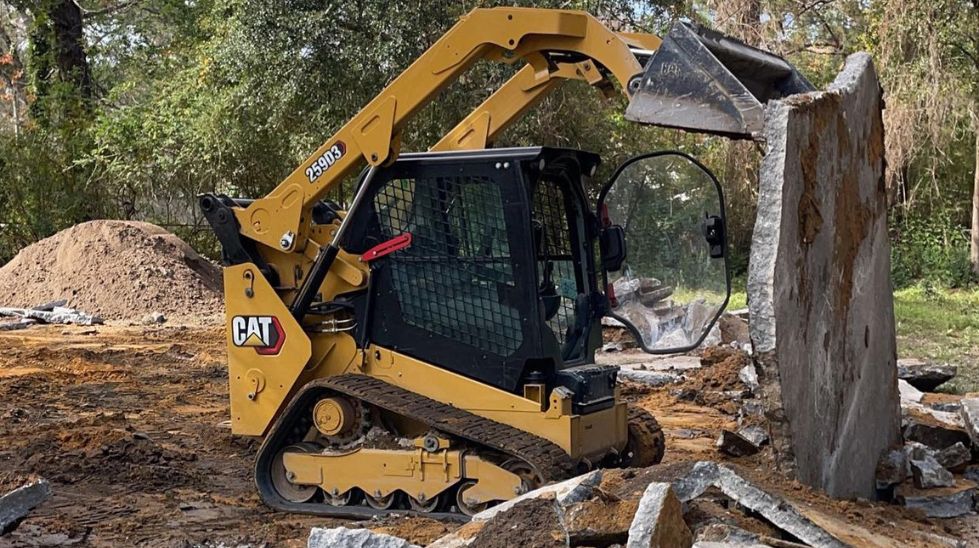
Before a new structure can rise from the ground, what’s already there often has to come down. Demolition is one of the most critical — and most misunderstood — phases of the construction process. Done right, it clears the way efficiently, safely, and in full compliance with local regulations. Done wrong, it creates delays, hazards, and liability that can derail an entire project.
Whether you’re planning a new build on a redevelopment site, tearing down an aging structure to make way for something new, or preparing land for a commercial development, understanding how demolition companies work can help you plan smarter, budget more accurately, and choose the right team for the job.
Here’s what you need to know.
What Do Demolition Companies Do?
Demolition companies safely remove buildings, structures, and site obstacles to prepare land for new construction, redevelopment, or infrastructure projects. But the scope of work goes well beyond knocking things down.
A full-service demolition contractor handles:
- Structural demolition: Taking down residential or commercial buildings using mechanical equipment, selective hand demolition, or a combination of both
- Selective demolition: Removing specific portions of a structure while preserving the rest — common in renovation and remodel projects
- Concrete and slab removal: Breaking up and removing existing foundations, slabs, driveways, and paved surfaces
- Site obstacle removal: Eliminating old structures, storage tanks, retaining walls, or other features that conflict with a new project layout
- Debris removal and disposal: Hauling and properly disposing of demolition waste in accordance with local regulations
- Recycling coordination: Sorting and diverting salvageable materials — steel, concrete, wood — to reduce landfill waste
At Johnston Construction, our demolition services cover both small residential teardowns and complex commercial projects throughout the Tri-County area. Whether a project needs a complete structure removed or targeted demolition of specific elements, our team approaches every job carefully and professionally.
Why Demolition is the First Step in Many Construction Projects
The sequencing of construction activities isn’t arbitrary — it follows a logic driven by dependencies. Demolition sits at the very beginning of that chain because nearly everything else depends on having a clear site.
Consider what can’t happen until demolition is complete:
- Survey crews can’t establish accurate grade points or layout stakes if structures are in the way
- Grading and excavation equipment can’t maneuver through or around standing buildings
- Underground utility work requires open access to the areas where old foundations and structures once stood
- Foundation installation requires a clear, graded pad — which itself requires a cleared site
Delays in demolition cascade through every phase that follows. This is why experienced project managers and general contractors prioritize getting demolition scoped, permitted, and scheduled early — before the rest of the project timeline is at risk.
Understanding the relationship between demolition and what follows is a topic we cover in detail in our post on Demolition for New Builds.
How Demolition Companies Assess a Site Before Work Begins
Professional demolition isn’t about showing up with heavy equipment and getting started. Before any work begins, a reputable demolition contractor conducts a thorough site assessment. This step is non-negotiable — it protects workers, neighboring properties, and the environment.
A pre-demolition assessment typically includes:
Hazardous material surveys: Older structures may contain asbestos, lead paint, PCBs, or other hazardous materials that require identification and remediation before demolition begins. Federal and state regulations govern the handling and disposal of these materials, and non-compliance can result in significant fines and project shutdowns.
Structural analysis: Understanding how a building is constructed determines how it should come down. Load-bearing walls, structural steel, concrete reinforcement, and foundation types all influence the demolition method and equipment selection.
Utility disconnection verification: All utilities — electric, gas, water, sewer, telecommunications — must be formally disconnected before demolition begins. Your contractor should confirm disconnection is complete, not assume it.
Adjacent property review: Demolition vibration, dust, and debris can affect neighboring structures. Documenting the condition of adjacent properties before work begins protects all parties in the event of a dispute.
Permitting review: Most demolition projects require permits from local authorities. In the Mount Pleasant and greater Tri-County area, permit requirements vary by jurisdiction and structure type. An experienced demolition contractor navigates this process as a matter of course.
Safety Measures Used During Demolition Projects
Safety is the foundation of professional demolition work. The risks on a demolition site, including falling debris, dust exposure, equipment hazards, and structural instability, are significant, and managing them requires systematic planning and execution.
Key safety measures include:
- Site perimeter control: Fencing, barriers, and signage establish a controlled work zone that keeps unauthorized personnel away from hazards
- Personal protective equipment (PPE): Hard hats, safety glasses, respiratory protection, and high-visibility gear are standard for all workers on demolition sites
- Dust suppression: Water application or misting systems reduce airborne dust during mechanical demolition, protecting workers and neighbors alike
- Structural shoring: In selective demolition, temporary supports may be needed to stabilize structures while portions are removed
- Equipment inspection and maintenance: Excavators, hydraulic attachments, and other demolition equipment must be regularly inspected and maintained to prevent mechanical failures during operation
- Worker training: Demolition workers need site-specific training on hazards, emergency procedures, and equipment operation before work begins
At Johnston Construction, safety isn’t a box to check — it’s built into how our team operates. We take our responsibility to our workers, our clients, and the communities we work in seriously.
Debris Removal and Site Cleanup After Demolition
Demolishing a structure is only part of the work. What happens to the resulting debris is equally important, both from a regulatory standpoint and for setting up the next phase of construction correctly.
After demolition, contractors typically:
Sort and segregate materials: Different demolition materials have different disposal requirements and recycling potential. Concrete is often crushed and recycled as base material. Steel is typically sorted and sold for scrap. Wood may be chipped for mulch or sent to appropriate disposal facilities.
Remove foundation remnants: Old foundation walls, footings, and slabs that conflict with the new building layout must be fully removed — not just covered over. Buried foundation remnants can create voids, interfere with utility installation, and cause uneven settling under new construction.
Address soil contamination: Underground storage tanks, old fuel systems, and industrial operations can contaminate soil. If contamination is identified, it must be remediated according to DHEC requirements before construction can proceed.
Grade and stabilize the cleared area: Once debris is removed, the site may need rough grading to eliminate voids and level the area for the next phase of work. This is where demolition and grading services naturally intersect.
Final inspection: A site walkthrough confirms that all debris is removed, the area is clean, and the site is ready to hand off to grading and excavation crews.
How Demolition Supports Excavation, Grading, and Construction
Demolition doesn’t end the story — it begins the next chapter. The way demolition is executed directly affects how smoothly excavation, grading, and construction can proceed.
Well-sequenced demolition:
- Leaves the site clean and free of obstructions so grading equipment can operate efficiently
- Removes underground obstacles that would interfere with excavation or utility installation
- Eliminates hazardous materials before other trades arrive on site
- Produces base material (crushed concrete, for example) that can sometimes be reused as fill or subbase
Johnston Construction offers both demolition and grading services, which means we can coordinate these phases under a single contract. That coordination reduces handoff delays, keeps the project on schedule, and ensures consistent communication throughout the early site work phases.
Choosing the Right Demolition Company for Your Project
Not all demolition contractors bring the same capabilities or professionalism to every job. Here’s what to look for when selecting a demolition company in Mount Pleasant or anywhere in the Lowcountry:
Licensing and insurance: Verify that the contractor holds current state contractor’s licenses and carries adequate general liability and workers’ compensation insurance. Don’t take their word for it — ask for certificates.
Hazmat credentials: If your project involves asbestos or lead paint, confirm that the contractor is properly certified or partners with a licensed remediation firm. This isn’t optional.
Local experience: A contractor who regularly works in the Charleston metro area understands local soil conditions, permit processes, and subcontractor relationships. That local knowledge translates directly to smoother projects.
Equipment capacity: The right contractor for your project has equipment sized appropriately for the work. A large commercial demolition requires different equipment than a residential teardown — and trying to do the former with the latter adds time and cost.
References and track record: Ask for references from similar projects and follow up on them. A contractor who’s proud of their work will have clients who are happy to share their experience.
Communication: A contractor who communicates proactively, returns calls promptly, and keeps clients informed throughout the project is worth more than the cheapest bid.
Benefits of Professional Demolition Services
Hiring a professional demolition company rather than attempting to self-perform demolition or hiring unqualified labor delivers real, measurable advantages, including:
- Safety compliance: Professionals know and follow OSHA regulations and local safety requirements, protecting workers and reducing your liability exposure
- Permit management: Experienced contractors handle permitting as part of the project, reducing administrative burden and avoiding delays caused by permit non-compliance
- Hazmat management: Proper identification and disposal of hazardous materials prevent environmental violations and protect project timelines
- Efficiency: Right-sized equipment and experienced operators complete work faster than improvised approaches
- Recycling and material recovery: Professional contractors maximize recycling, which can reduce disposal costs and support sustainability goals
- Coordination with downstream trades: A professional demolition contractor understands what the site needs to look like when they leave, not just during their own phase of work
Our demolition services are part of a broader suite of site work capabilities that includes land clearing, excavation, grading, hauling, and concrete, giving clients a single, trusted partner for the full spectrum of early-stage construction work for residential and commercial properties.
If you’re planning a project in Mount Pleasant or anywhere in the Tri-County area, we’d welcome the opportunity to discuss your demolition and site preparation needs. Contact Johnston Construction today to request a quote.
Frequently Asked Questions
Demolition companies safely remove buildings, structures, and site obstacles to prepare land for new construction, redevelopment, or infrastructure projects.
Demolition should typically be completed before site preparation, grading, excavation, and foundation work can start.
Professional demolition companies follow strict safety protocols, conduct site assessments, secure work areas, and use specialized equipment to minimize risks.
Most demolition projects include debris removal, recycling when possible, and proper disposal, according to local regulations.
Many demolition companies in Mount Pleasant, SC, including Johnston Construction, also coordinate land clearing, grading, and other site preparation services that support future construction activities.